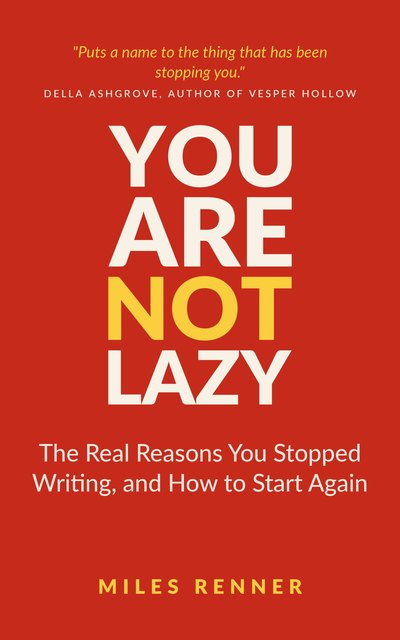
If you have stopped
You Are Not Lazy
Replaces “butt in chair” with a better question: what is actually stopping me?
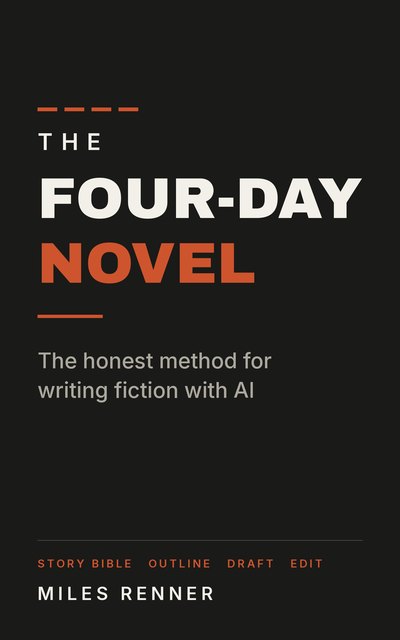
Writing fiction with AI
Smooth, competent and dead — so you concluded the tool was the problem. It wasn't. You asked a language model to be the author, and authorship was never located in the typing.
The Four-Day Novel is the method that keeps the four things that make a book yours — vision, architecture, voice and judgment — and uses the machine only for the part that was never one of them.
Kindle · Paperback · included in Kindle Unlimited
“Authorship was never located in the typing.”
The books
Most advice about writing is addressed to someone already writing well who just needs cheering on. These are for the situations it skips — and each one ends with something you can do on a specific morning.
If you have stopped
Replaces “butt in chair” with a better question: what is actually stopping me?
If the first draft is the wall
You tried writing with AI and the chapter came back dead. The problem was not the model — it was asking it to be the author.
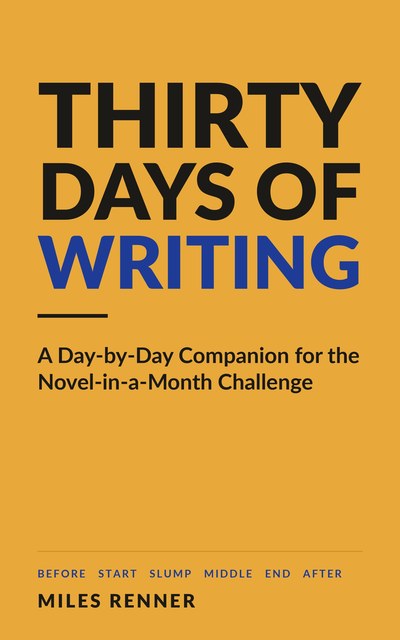
If the second week is where it stops
One short entry for each day of your month, read before you write. Each takes under three minutes and hands you the one tool that day usually calls for, timed to when the problem actually shows up.
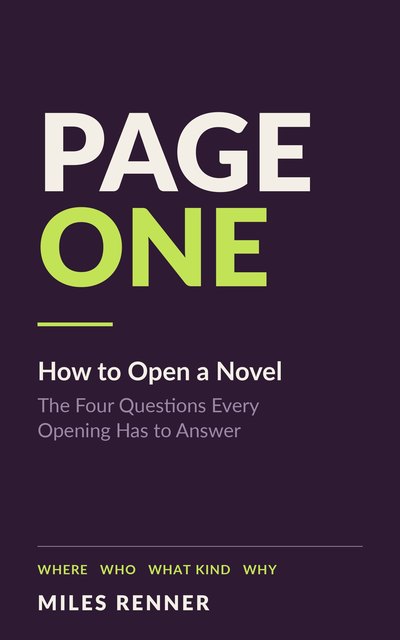
If nobody gets past page one
Readers who abandon an opening are usually not bored. They are lost — and being lost inside a book doesn't feel like boredom. It feels like your own tiredness.
If the draft is finished
Revision is not one task. It is five, they need different heads, and running them together is why the work feels bottomless.
Genre guides
The books above are about the work itself. These take one category at a time — what it actually promises its readers, how its books are built, and where manuscripts in it most often go wrong.
If agents keep asking for it by name
Every definition of upmarket fiction says the same thing — literary quality, commercial appeal. None of them tells you what to do. This one gives you the mechanism instead of the vibe.
If the prose is lovely and the book is still
A literary novel makes a deal with its reader: attention in exchange for change. The reader agrees to follow a mind closely. In return, something has to move — not necessarily events, but what the protagonist understands.
If the premise is brilliant and the book isn’t
Speculative fiction changes one thing about the world, then tells the truth about what happens next. Your reader grants you the one impossible thing almost for free. Everything after that has to be earned.
Writing
Working notes from inside the books — drafting with AI without producing slop, what Amazon actually asks you to declare, and how to make a machine sound like you. Free to read, written by hand.
Where to write your 50,000 words. The organisation behind the original month-long challenge closed in 2025; the month did not. What is running this November, how the options differ, and how to pick one.
The most common way to win a month-long novel challenge and still not have a novel. One decision prevents it, and it takes one evening.
Not an outline. One ending, three turns and about forty lines — two sides of a sheet of paper, one evening, and enough to stop you getting lost on Day 9.
The idea behind all of them
Nearly all writing advice is a prescription issued without a diagnosis. It works for the people it happens to fit and quietly indicts everyone else. Each of these books does the same thing in a different arena: take a word doing too much work — lazy, authorship, revision — break it into the several unrelated things it is hiding, and give each one a procedure with a finish line.
Yes, and Amazon permits it on KDP provided you declare AI-generated content when you publish. The harder question is how to get a book worth publishing out of it, which is what The Four-Day Novel is about: keep vision, architecture, voice and judgment with the author, and use the model only for the part that was never where authorship lived.
They stand alone and can be read in any order. If you want the sequence that matches the work: You Are Not Lazy for when you have stopped, The Four-Day Novel or Thirty Days of Writing for producing a first draft, Page One for the opening, and The Rewrite for the draft once it exists. The genre guides are separate and can be read whenever the question comes up.
A novelist — he writes romance and thrillers — and the author of several books about the work of producing them, including The Four-Day Novel, You Are Not Lazy, Thirty Days of Writing, Page One and The Rewrite, plus a series of short genre guides. They share one method: name the problem precisely before prescribing anything, and prefer a procedure you can finish over advice you can only feel guilty about.
The main books are published on Amazon in both a Kindle edition and a 5.5 × 8.5 in paperback. The short genre guides are ebook only. Each book page lists the formats that title is available in.