If the draft is finished
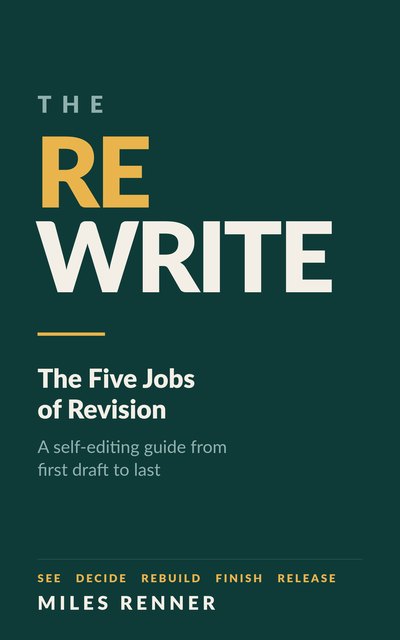
The Rewrite
The Five Jobs of Revision: A Self-Editing Guide from First Draft to Last
You finished the draft. Nobody told you that fixing it is a different job.
Kindle · Paperback · included in Kindle Unlimited
Every book about writing stops where you are now. You have a draft, it has problems in it, you are the only person who can fix them — and nobody has told you where to start.
So one of two things happens. You don't open the file: weeks, then months, and every day you don't open it makes opening it worse. Or you open it the next morning, start on page one fixing sentences, and eleven months later the sentences are lovely and the book is not better.
Both are the same mistake. Not laziness, not perfectionism, and not a talent you weren't born with. Revision is not one task — it is five, they need different heads, and running them together is why the work feels bottomless. A task you cannot describe is a task you cannot finish, cannot schedule, and cannot be partway through.
The five jobs, in the order that makes them possible
- Seeing — what is actually on the page, as opposed to what you meant. You currently cannot do this, for reasons that are mechanical rather than personal.
- Deciding — what this book is trying to be, because better is a comparative and you have not yet named the second term.
- Rebuilding — whether the shape holds. Threads, promises, proportion, and the ending you probably haven't earned.
- Finishing — length, consistency, and, genuinely last, sentences.
- Releasing — other people's eyes, what to do with what they tell you, and the job nobody counts as a job: stopping.
What's actually in it
The four-letter marking pass that turns a read-through into a diagnosis. Why relocating information beats adding it almost every time. How to audition a cut before you make it, so you find out what a subplot was carrying before you delete it. The reason your ending is almost never the problem with your ending. And a stop condition you can actually apply.
Eighteen chapters. Eighteen bounded passes, each doing exactly one job, each with a finish line you can reach. A worked example runs the length of the book: a 94,000-word draft, read, diagnosed, taken apart and put back together — including the parts where that goes badly.
Not a pep talk. A procedure — and, for the first time, a way of being partway through.
“A revision without a stop condition is not a revision. It's a residence.”
Contents
- •Introduction
PART ONE — The Second Job
- 1Two Ways to Waste a Year
- 2The Five Jobs
- 3The Order Rule
PART TWO — Seeing
- 4You Cannot Read Your Own Book
- 5The Read-Through
- 6What the Marks Mean
PART THREE — Deciding
- 7What Is This Book Trying to Do?
- 8The Question the Book Asks
- 9Don't Kill Your Darlings
PART FOUR — Rebuilding
- 10The Reverse Outline
- 11Promises, Threads, and the Ending You Didn't Earn
- 12Audition Before You Amputate
PART FIVE — Finishing
- 13Too Long, Too Short
- 14The Bug List
- 15Sentences Last
PART SIX — Releasing
- 16Other People's Eyes
- 17Reaction, Diagnosis, Prescription
- 18When It's Done
- •Appendix — The Pass Index
Who it's for
- You have a finished draft and no idea what the next move is.
- You have been “revising” for months and cannot tell whether the book is getting better.
- You keep fixing sentences because it is the only part of the job with a visible edge.
Who it isn't for
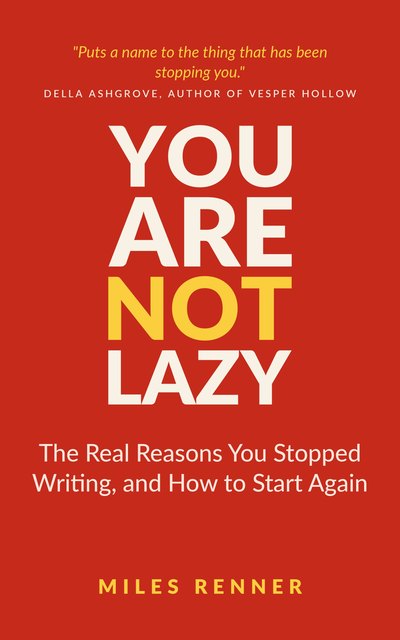
- You haven't finished a draft yet. Come back when you have — or read You Are Not Lazy.
- You want line-editing style tips. Sentences are Chapter 15 of 18, deliberately.
Questions
What are the five jobs of revision?
Seeing (finding out what is actually on the page), deciding (naming what the book is trying to do), rebuilding (fixing the shape — threads, promises, proportion), finishing (length, consistency, and last of all sentences), and releasing (other readers, what to do with feedback, and how to stop). The order is not negotiable, and Chapter 3 explains why.
How do you revise a first draft?
Not by starting on page one. You read the whole thing first without fixing anything, marking it with four letters so the read-through becomes a diagnosis; then you decide what the book is trying to be; then you fix the shape; and only then do you touch sentences. Doing those in any other order is how a revision becomes a residence.
Why are sentences so late in the book?
Because sentence-level work is the only part of revision with a visible edge, which makes it the natural refuge — and polishing a paragraph you'll cut in Chapter 12 is a pure loss. Structural decisions change which sentences exist. So they go first, and sentences are Chapter 15 of 18.
Is it for fiction only?
The worked example is a novel and the structural chapters use fiction's vocabulary — threads, promises, subplots. The five jobs and their order apply to any book-length manuscript; a nonfiction writer translates roughly a third of the terminology.
How long should a revision take?
The book refuses to give you a number, and says why: the useful unit is not months but passes. Eighteen bounded passes, each with a defined job and a finish line, is something you can schedule. “Revising” is not.
Do I need the other two books first?
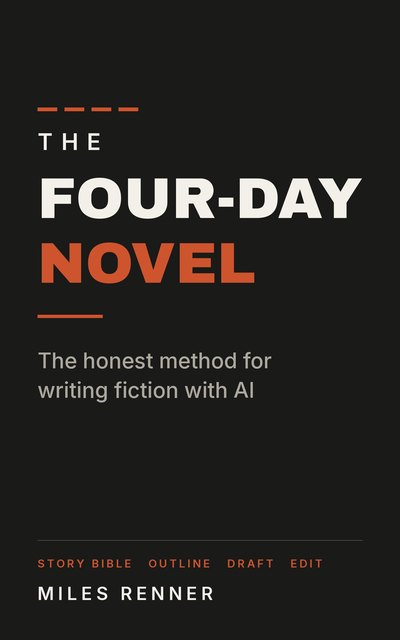
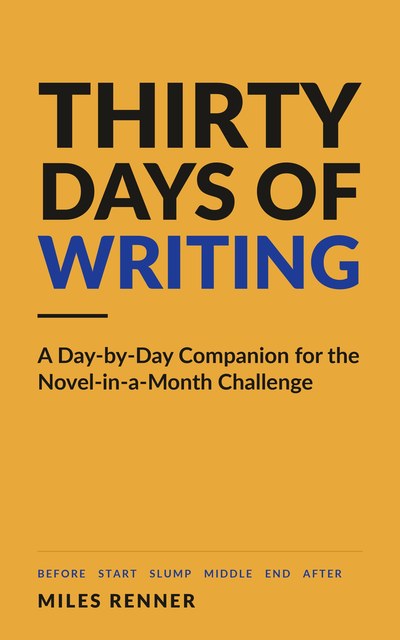
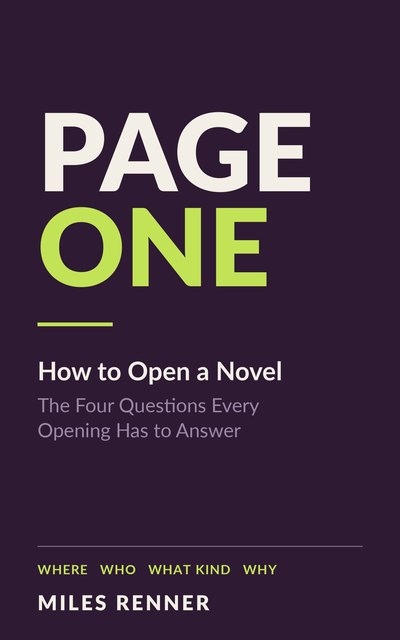
No. They all stand alone. They cover different stages — starting, drafting, the opening, revising — and this is the one you want if the draft already exists.
The Rewrite
Revision is not one task. It is five, they need different heads, and running them together is why the work feels bottomless.
Kindle · Paperback · included in Kindle Unlimited
Also by Miles Renner